
What Meme? Meaning, Origins, and How Memes Spread Online

What Meme? Meaning, Origins, and How Memes Spread Onlineについて詳しく解説いたします。詳細な分析をご確認ください。
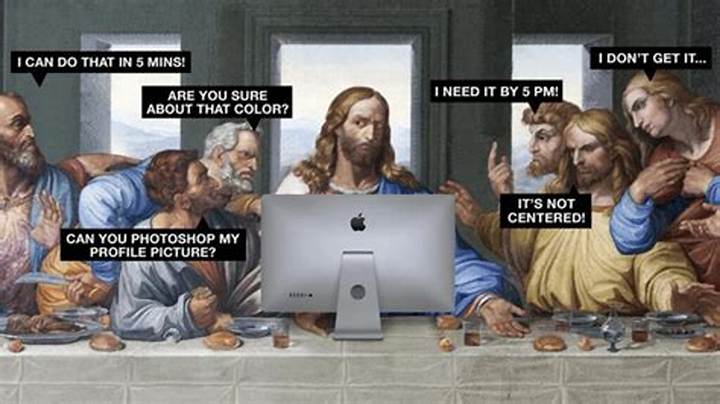
Memes spread because they compress meaning. In one glance, a meme can communicate a whole message: “Here’s what I think,” “Here’s what happened,” or “Here’s how this situation feels.” The best memes also ride on shared knowledge—school experiences, workplace frustrations, sports moments, pop culture characters, or current events.
必読記事
Another reason memes travel: they’re low effort for creators and high reward for viewers. Creating a new version usually means swapping text into an existing layout or swapping clips into a known pattern. For the viewer, the payoff comes from recognition—understanding the joke quickly.
Communities also use memes as a social signal. Sharing a meme can show you belong to the group that “gets it.” That’s why some memes feel like they appear inside a bubble, then suddenly jump into mainstream feeds.
Why meme formats matter more than the original joke
Meme formats are like grammar rules. You can change the words, but the structure still works. For example, image macros often follow a “top caption / bottom caption” logic. Reaction gifs follow an emotional beat. Video memes often rely on a recognizable sequence that people can anticipate.
So if you’re asking “w h a t meme,” it helps to look beyond the specific caption and ask: what pattern is being reused? Once you see the pattern, you can interpret new variations even if you’ve never seen that exact version before.
エンタメ・カルチャー業界の深掘り取材を得意とし、現場のリアルな声をお伝えします。
