
Salt Cured Salmon Safe

Salt Cured Salmon Safeにまつわる役立つ知識を分かりやすく発信ます。
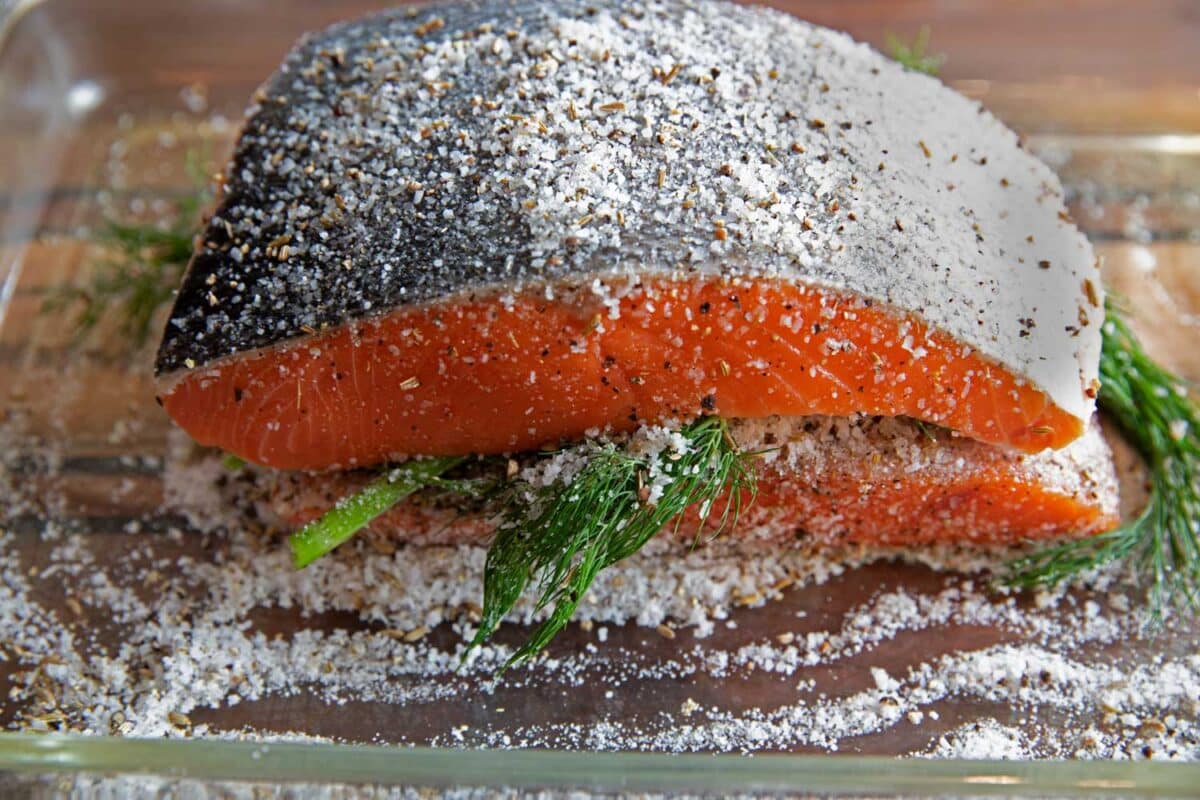
Salt Cured Salmon Safe
So, you’ve been eyeballing that gorgeous slab of salt-cured salmon at the market, right? It’s all shiny and pink, and your brain is screaming, “Eat me!” But then that little v...
So, you’ve been eyeballing that gorgeous slab of salt-cured salmon at the market, right? It’s all shiny and pink, and your brain is screaming, “Eat me!” But then that little voice whispers, “But is it safe?” Let’s talk about it, friend, because I’ve been there.
First, let’s get one thing straight. Salt-cured salmon isn’t the same as eating raw sushi, okay? It’s not just naked fish. Think of it as salmon that went to a spa day—a very intense, salty spa day that changes its whole vibe.
The magic word here is cure. You’re not just sprinkling salt on top for fun. You’re drawing out moisture, which is basically what bacteria and nasty bugs need to throw a party in your belly.
When done right, that salt creates an environment that’s hostile to bad stuff. It’s like building a tiny fortress for your salmon. The salt messes with the bugs’ ability to survive, so you get delicious flavor without a side of food poisoning.
But here’s the million-dollar question: Is it always safe? Nope. Not if you cut corners. If you use wimpy amounts of salt or let it sit at room temperature for too long, you’re asking for trouble. Don’t be that person.
Time is also your friend here. A proper cure takes at least 24 to 48 hours in the fridge. That’s not a suggestion; it’s a rule. Skipping to a quick 2-hour cure is like using a water pistol to put out a fire—cute, but useless.
Now, let’s talk about the fish itself. You want the freshest salmon you can get your hands on. Is it shiny? Does it smell like the ocean, not like a fish market dumpster? If it’s questionable, pass it by. Salt can’t fix rotten fish, no matter how hard it tries.
Pro tip: Go for sushi-grade or sashimi-grade salmon if you’re feeling fancy. That stuff has been frozen at super low temperatures to kill parasites. It’s a safety net, and we all love nets, don’t we?
 Daily hacks: Power down? Try salt curing for a low-electricity
Freezing is a big deal for safety. Even the FDA says freezing fish at -4°F for seven days kills those creepy parasites. So if you’re making this at home from regular supermarket salmon, do your due diligence. Or just buy it already cured from a reputable shop.
What about store-bought cured salmon? That’s usually safe because mass producers follow strict rules. They use exact salt ratios, controlled temperatures, and often add a bit of sugar or dill for flavor. It’s science, not guesswork.
And the smell test? Totally valid. If your cured salmon smells like ammonia or just “off,” trust your nose. It’s your body’s smoke alarm. Don’t argue with it. Toss it out and order a pizza instead.
Let’s be real: a little risk exists with any raw or cured fish. But for healthy adults, the odds are on your side. Your stomach’s got some serious acid that handles most minor bacterial invaders. It’s a tough little organ.
However, if you’re pregnant, elderly, or have a weak immune system, be extra careful. Your body might not be the fortress it usually is. In that case, maybe stick to fully cooked salmon, or ask your doctor for a thumbs-up.
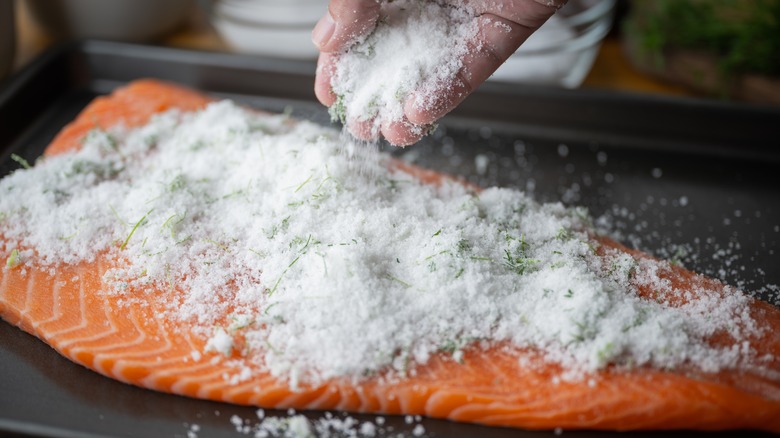 How To Cure Fish At Home
You know what’s not a risk? The flavor. A well-cured salmon has that silky, buttery texture that makes you close your eyes and say, “Mmm.” It’s worth the tiny bit of homework. I promise.
Here’s a fun fact: The sugar in some cures isn’t just for sweetness. It balances the salt and helps with preservation too. It’s like a tag-team wrestler for flavor and safety. Sugar and salt: besties forever.
And the color? That vibrant orange-red doesn’t lie. It’s a sign the fish was handled well. If it looks dull or grayish, that’s a red flag. Literally. Your salmon should look like a sunset, not a puddle.
So, bottom line: Salt-cured salmon is safe—when you respect the process. Whether you buy it from a pro or make it at home, just follow the rules. Use enough salt. Give it time. Keep it cold.
And when you slice that beautiful, firm piece and lay it on a bagel with cream cheese? That’s not just lunch. That’s a victory lap. You earned it. Cheers to safe, salty bites!
マネー知識やキャリア形成に役立つノウハウを、初心者にも分かりやすく解説するのが得意です。
